Plant Crossing — A Distribution Project
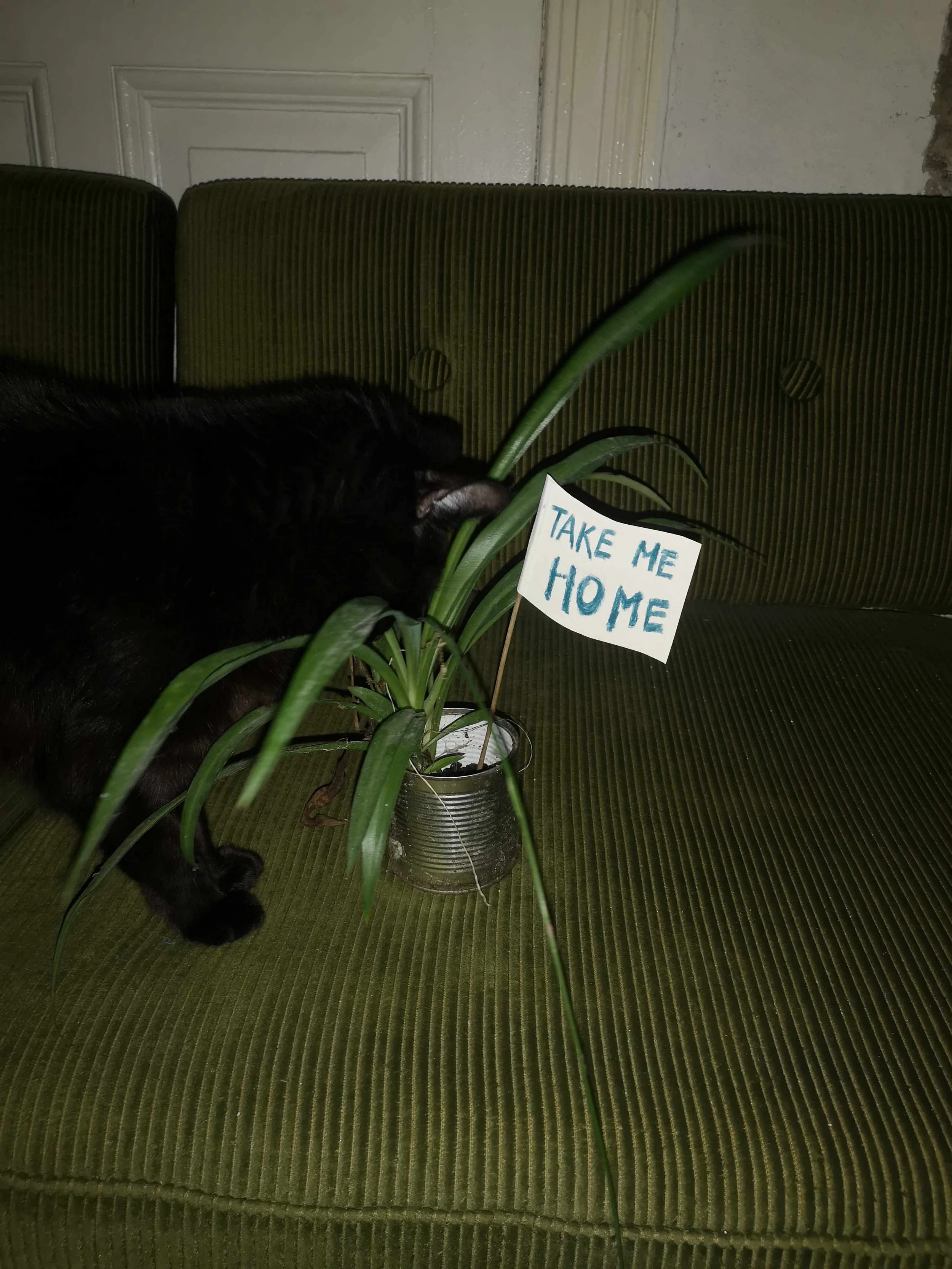
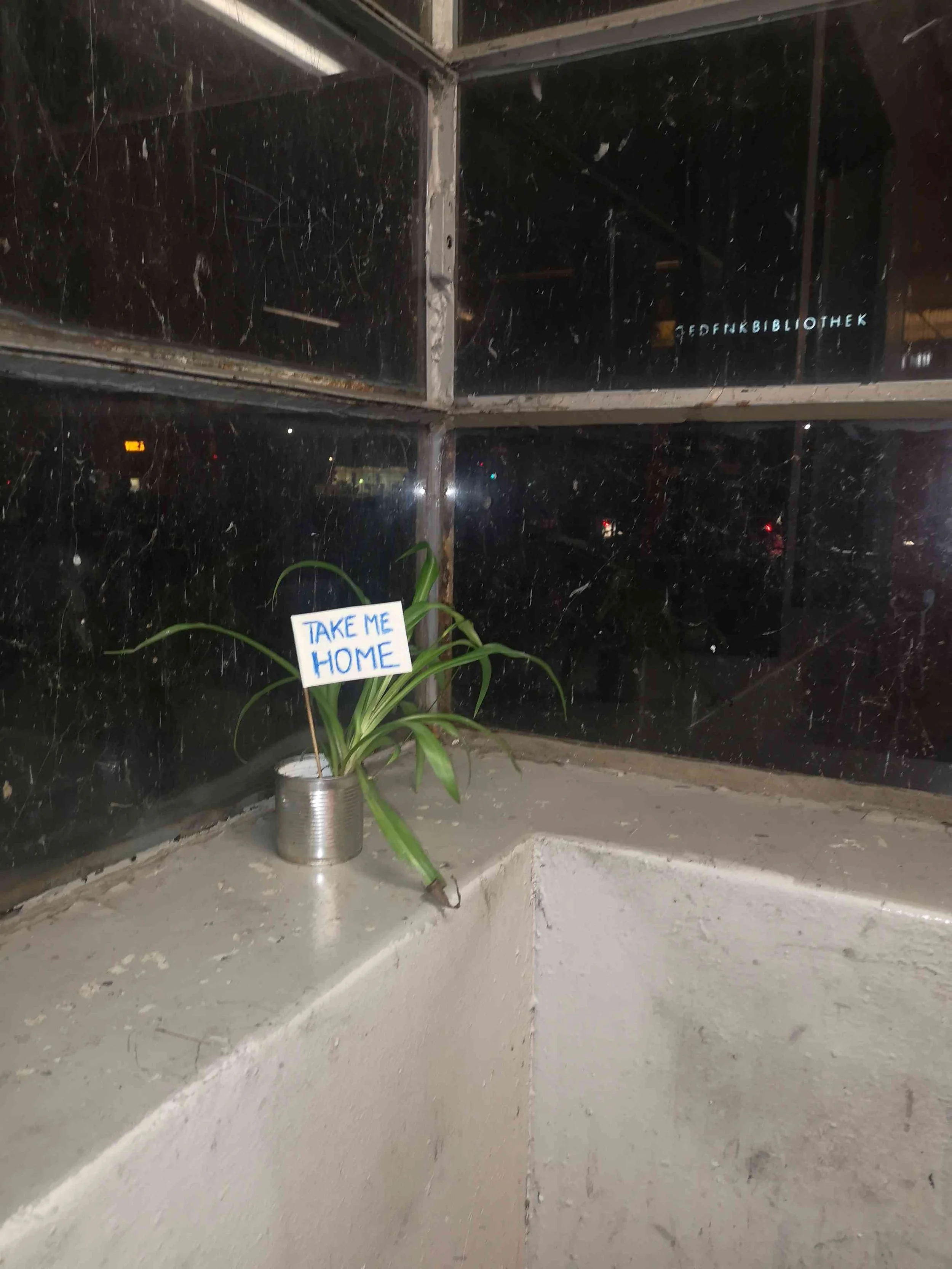
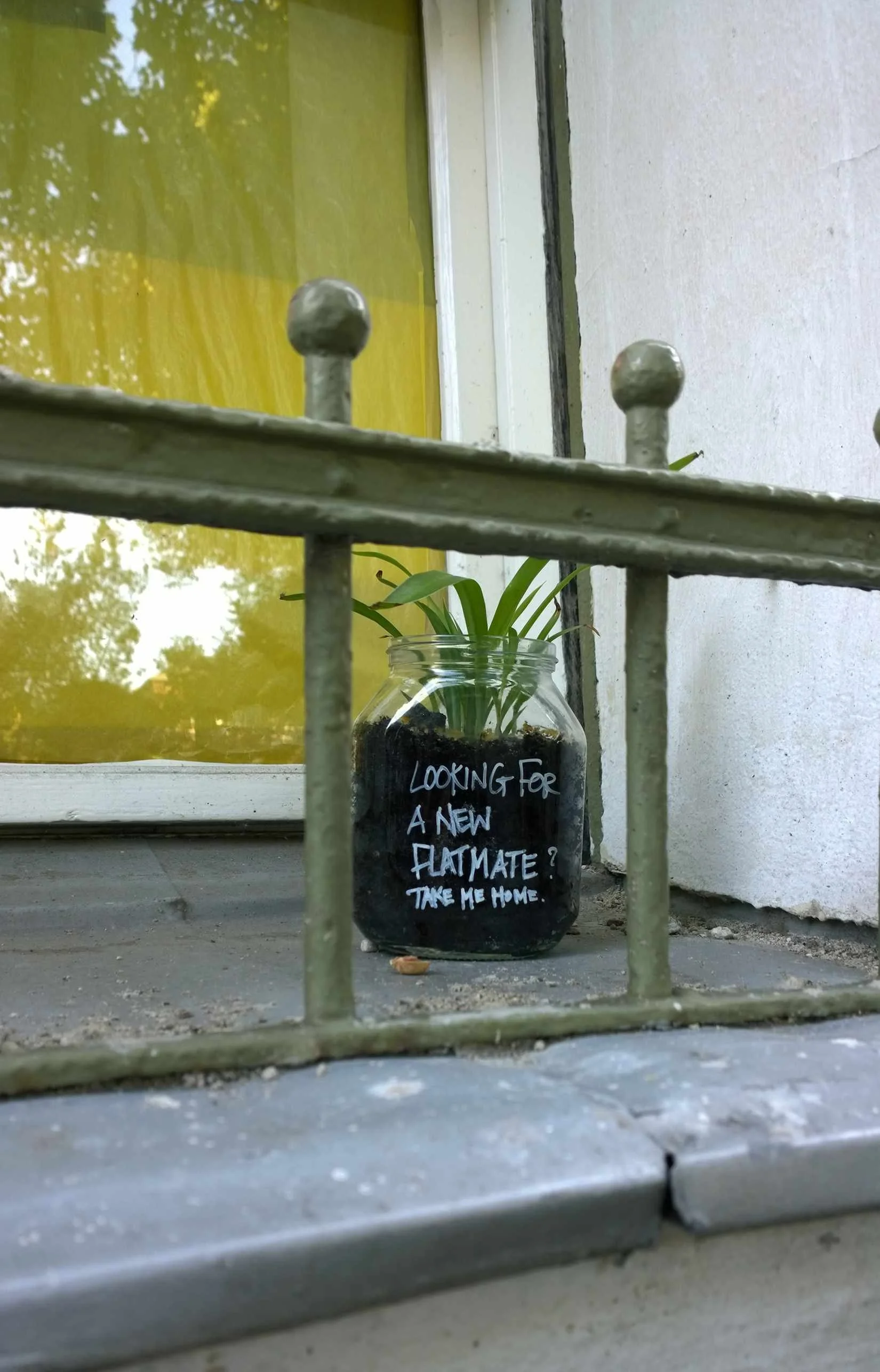
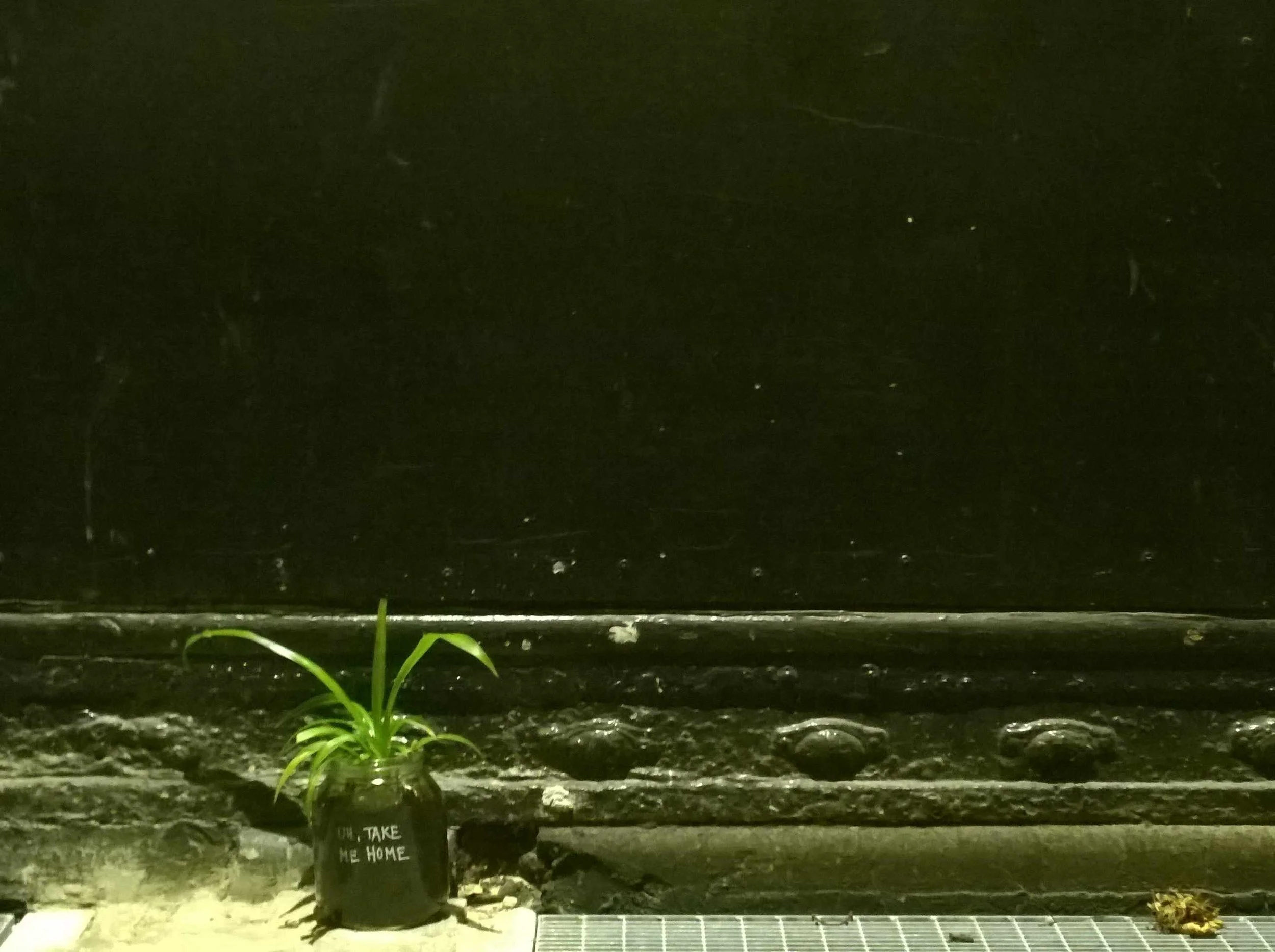
If you see one, take it home. Would you, or wouldn’t you take it home?
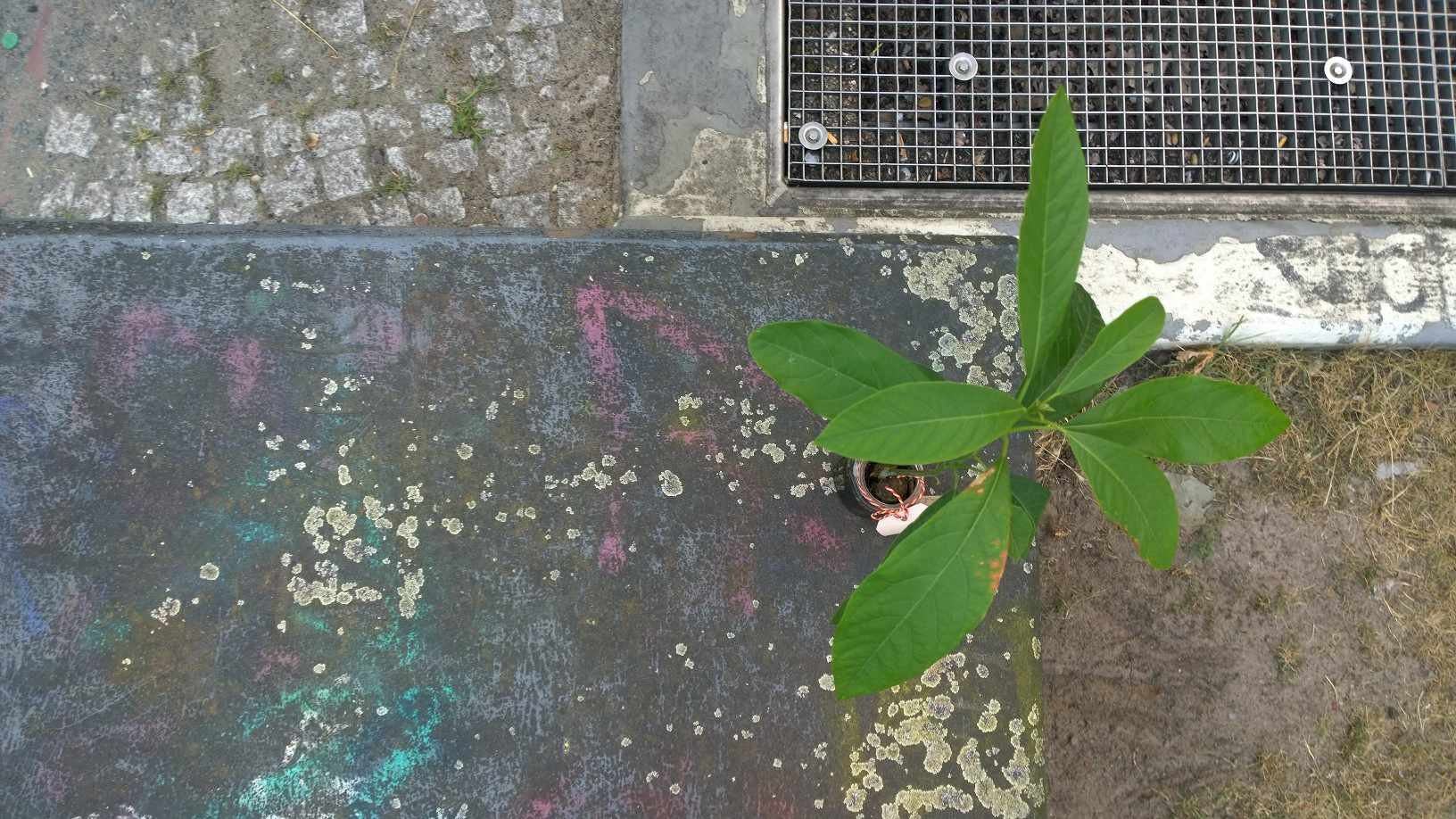
Every plant was bred and cultivated at home, meant to be released into the wild to find its permanent place. It began a few years ago when I started distributing plants throughout the city. The first to try their luck in the urban environment were devil’s ivy, avocado, and spider plants.
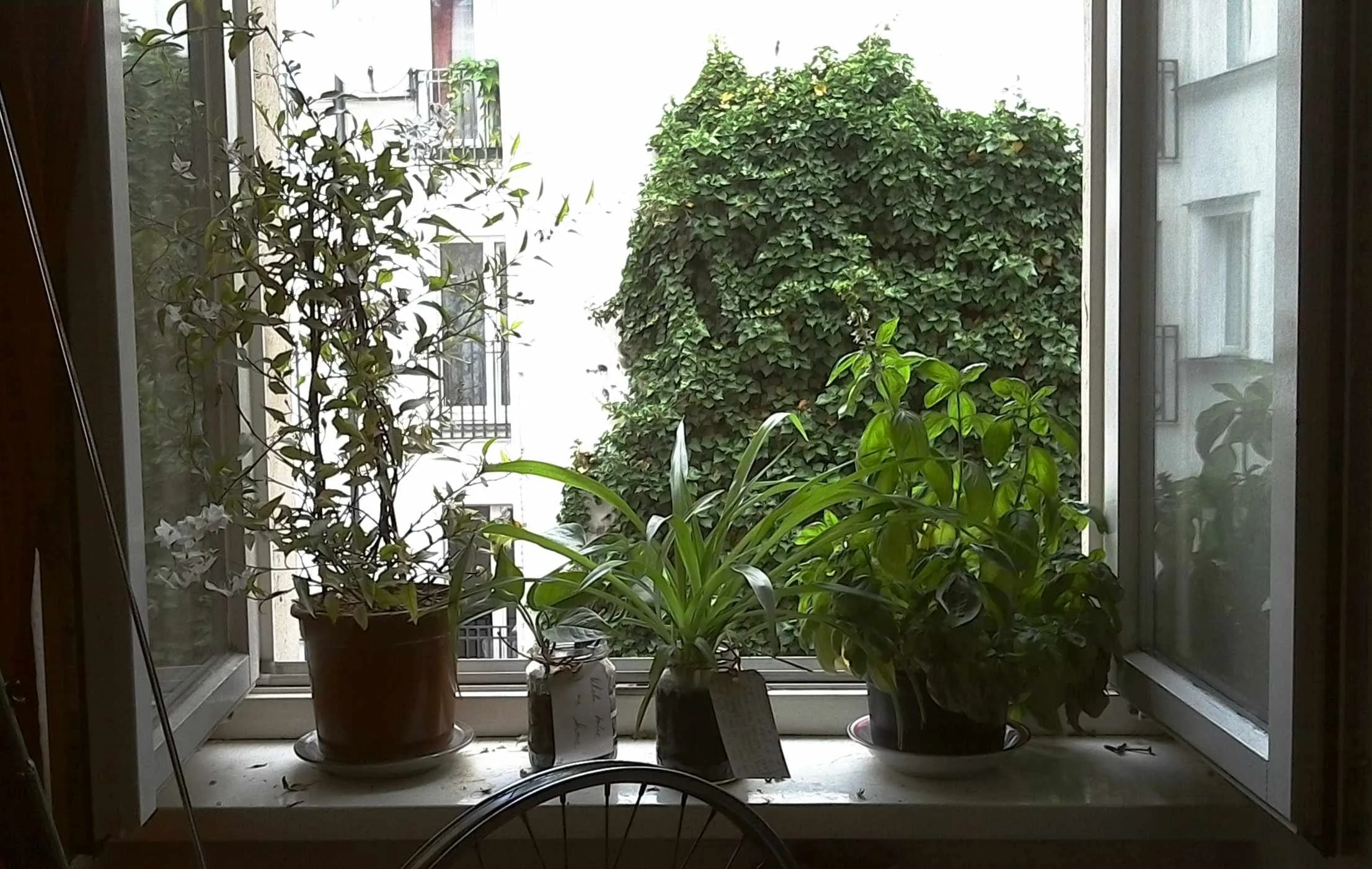
Some finders reported back about their new green flatmates — the first person, a student from a dorm nearby where I left it got back to me, asking about how to care for it. It was his first green plant ever. Another lives happily ever after with her new name, Nadine, surrounded by dinosaurs.
If you take a plant home with you, feel free to share its journey, its new surroundings, and any adventures along the way.
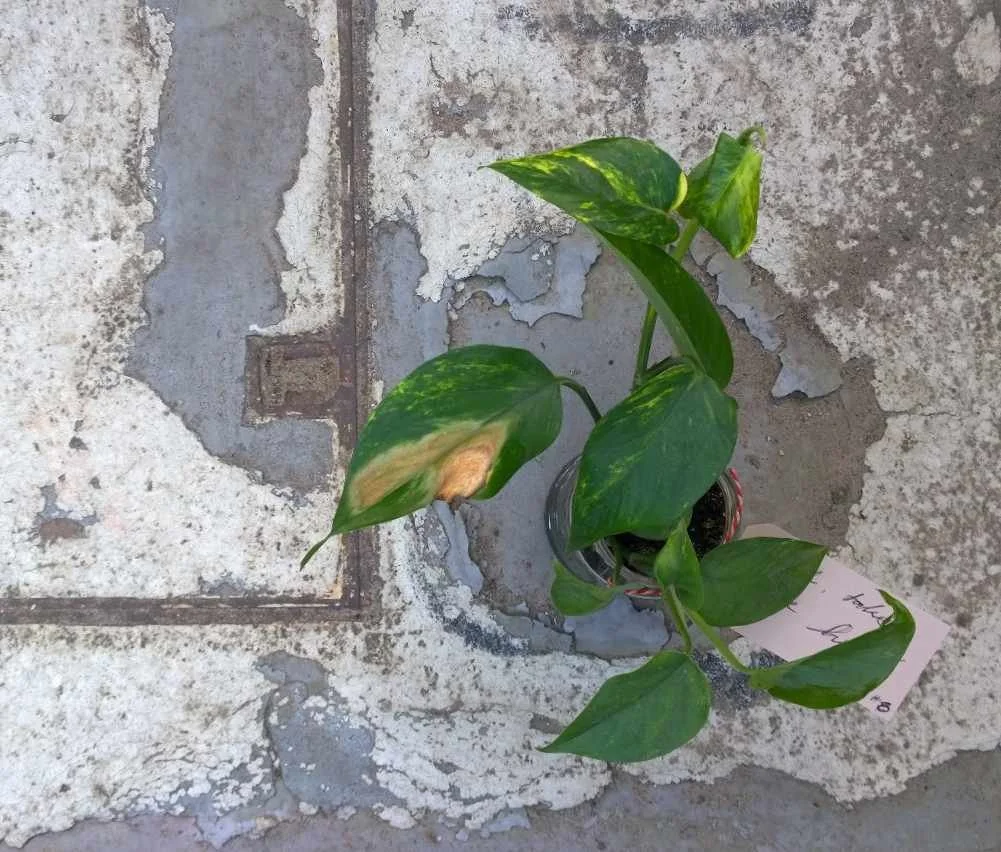


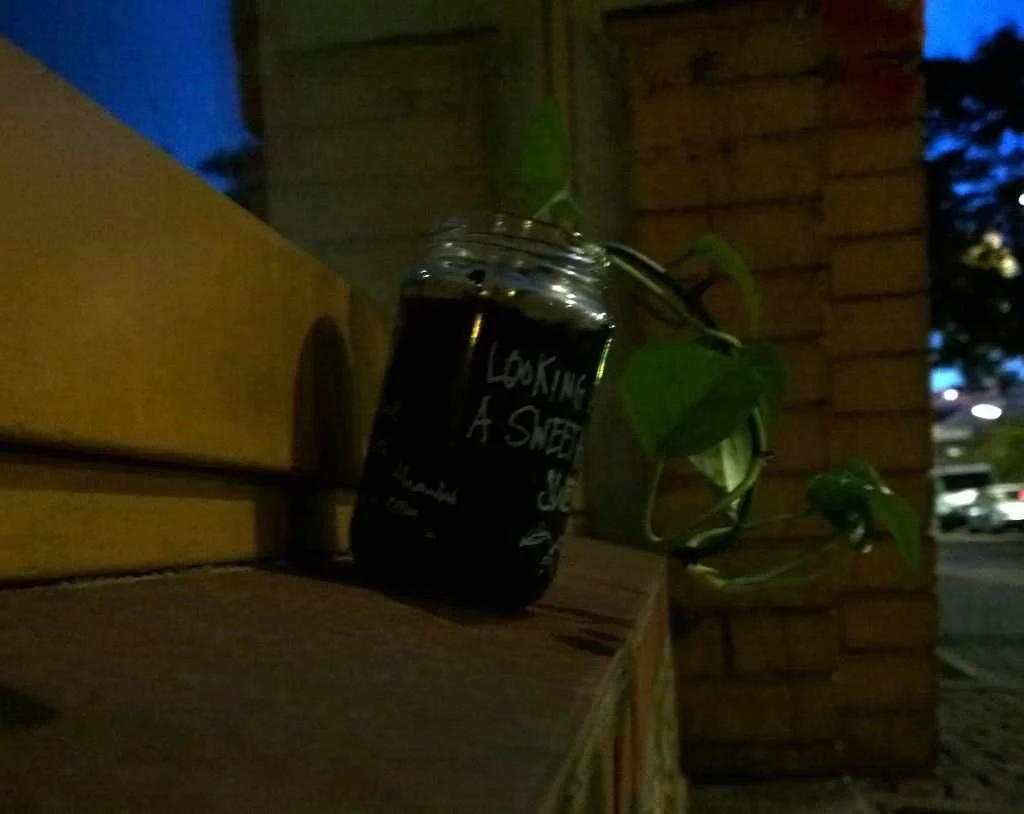

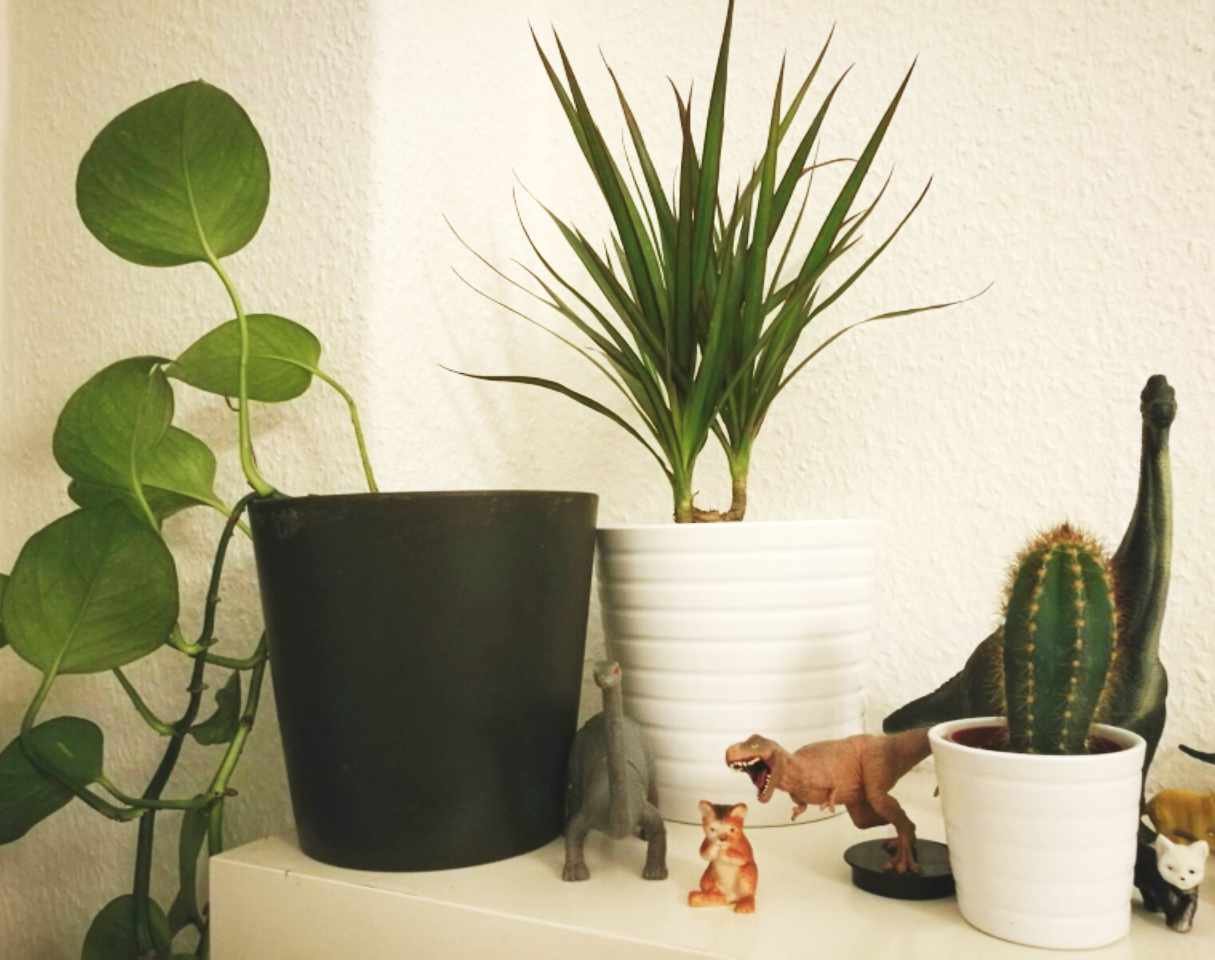

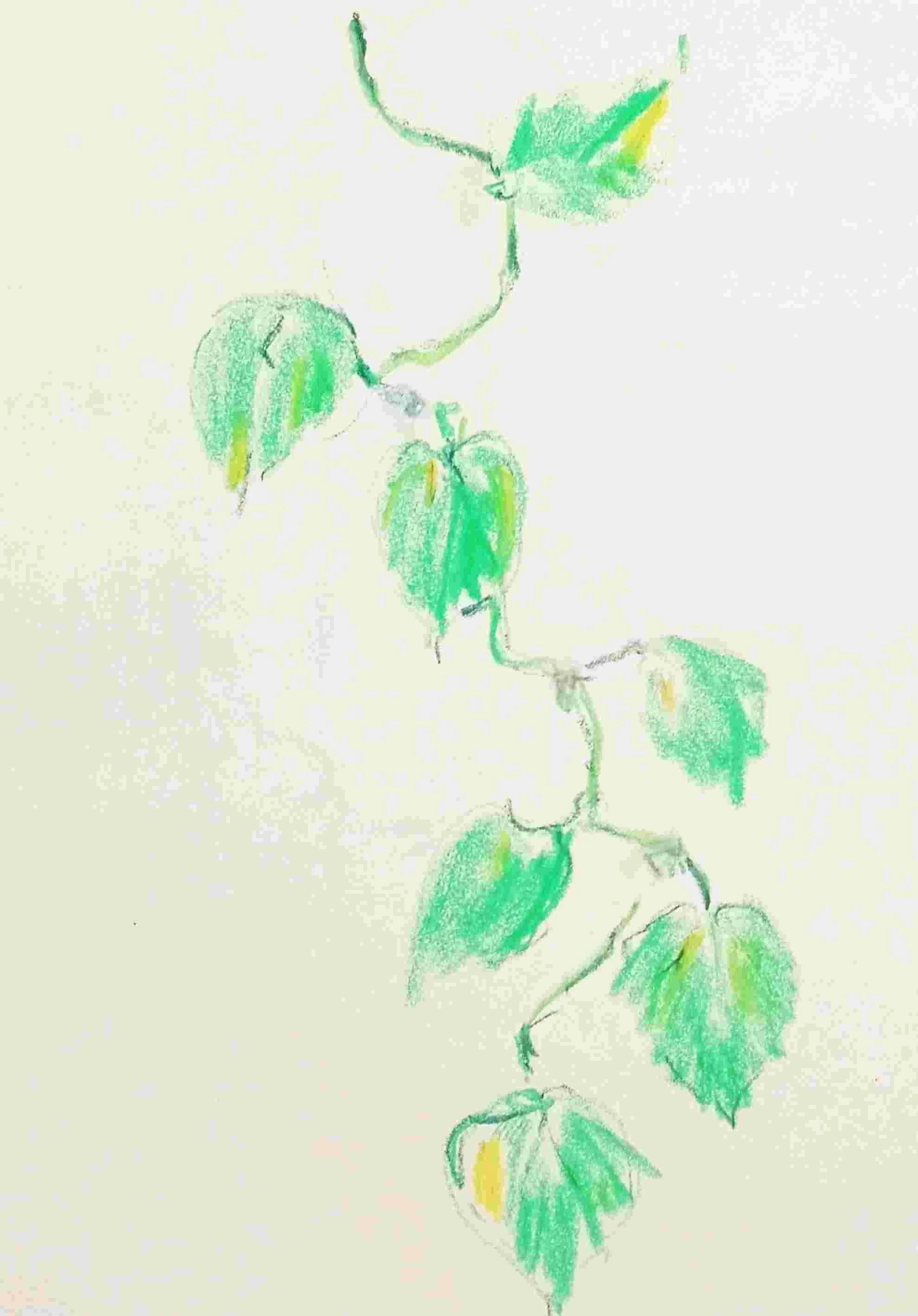
Devil’s Ivy, or Golden pathos,
scientifically known as Epipremnum aureum, was given its demonic nickname because of its resilience. The plant is very forgiving if its carer is, shall we say, inattentive.

Persea americana MILL
The avocado plant grown from a pit can develop into a beautiful houseplant, but does not bear fruit. Despite this, I have not yet managed to get the plant to grow older than one year.The plant has a rather pinkish secret. Avocado peels and pits can be cooked to obtain a natural colouring with a surprising and delicate pink hue.
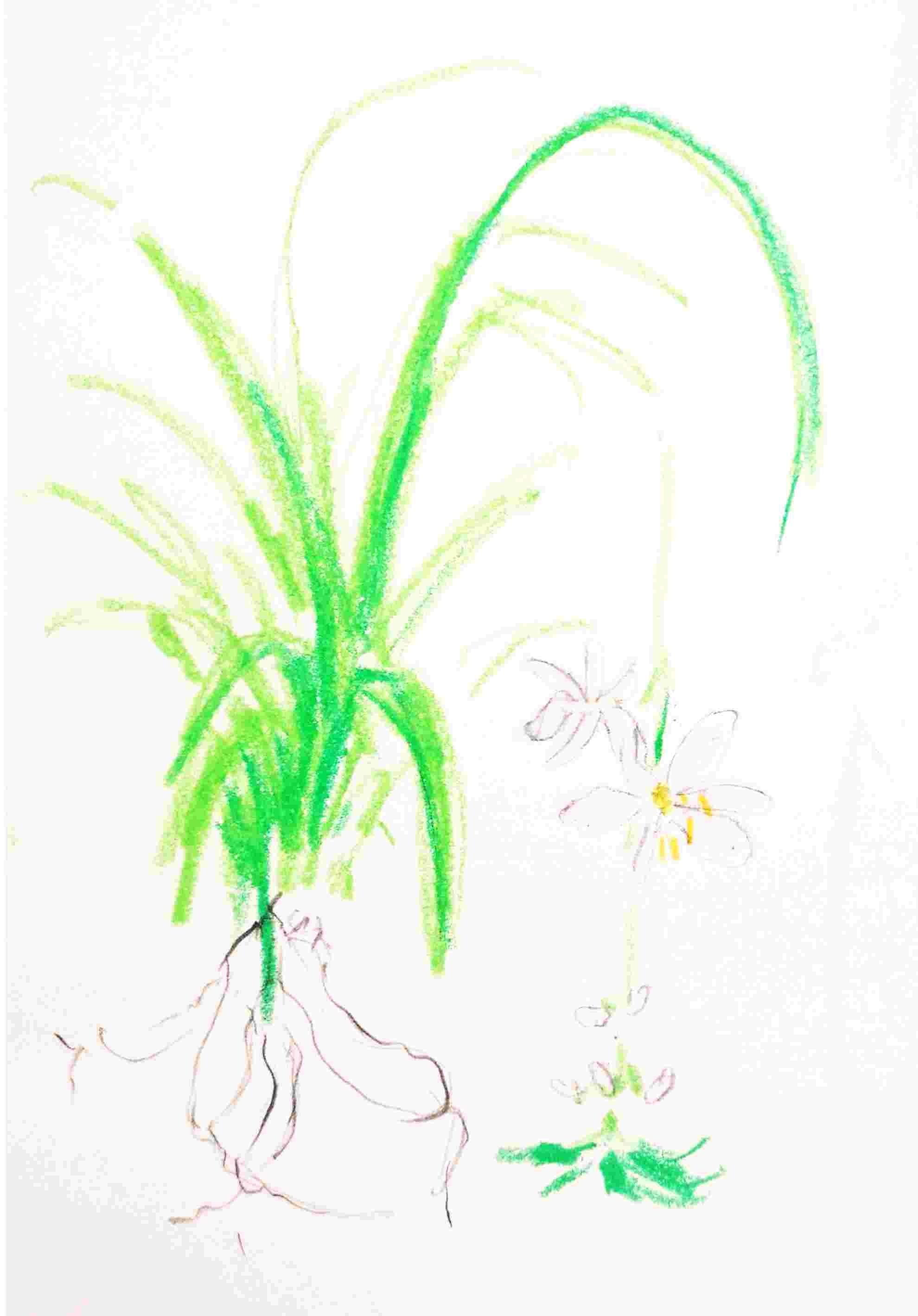
Chlorophytum comosum,
more commonly known as Spider Plant. Little did I know that this easy going maintenance plant with its beautiful and delicate white flowers has its origin in southern Africa. Where they are usually found in the undergrowth in mountainous regions and alongside rivers and bushes. If the plant gets enough light in its location, it can flower all year round.